


Last Updated: October 25, 2026
Quick Summary
Natural soap for psoriasis prone skin cleanses without stripping protective oils or disrupting pH balance, often including ingredients like colloidal oatmeal, honey, or tea tree oil to address irritation. Cold-process soaps retain glycerin, a natural humectant that makes them effective at hydrating while cleansing.
- Psoriasis speeds up skin cell turnover from 28 days to 3-7 days, creating thick plaques, scaling, and itching.
- Avoid synthetic fragrances, dyes, sulfates, parabens, and phthalates, which trigger flare-ups in psoriasis-prone skin.
- Patch test new soaps on your inner forearm for 24-48 hours before using on psoriatic patches.
- Moisturize within 3 minutes of patting skin dry while still damp for maximum barrier protection.
- Tar soap is a support product, not a stand-alone treatment; use it 2-3 times weekly alternated with plain bars.
Table of Contents
- Understanding Psoriasis-Prone Skin and Soap Selection
- Best Soap for Psoriasis: Key Ingredients That Calm and Soothe
- Pine Tar Soap for Psoriasis: Evidence and Realistic Expectations
- Soap Ingredients to Avoid for Psoriasis-Prone Skin
- Gentle Body Wash for Psoriasis: Choosing Fragrance-Free and Dye-Free Options
-
Building Your Psoriasis Skin Care Routine: Cleansing and Moisturizing
- Step 1: Patch test before you commit
- Step 2: Match the cleanser to the symptom and the body area
- Step 3: Bathe in a way that protects the barrier
- Step 4: Moisturize like it is treatment, not an afterthought
- Step 5: Judge products on criteria, not claims
- Step 6: Know when to bring in a clinician
- Step 7: Give it time, then reassess
- Start Your Natural Skin Care Journey Today
- Frequently Asked Questions
Understanding Psoriasis-Prone Skin and Soap Selection
Choosing the right soap for psoriasis-prone skin isn't just about cleansing, it's about preventing flare-ups and protecting your skin barrier. Ordinary drugstore soaps strip protective oils and worsen scaling and itching within hours.
At Amish Country Soap Co, we know psoriasis-prone skin demands gentleness without compromise.
Psoriasis speeds up cell turnover from the normal 28-day cycle to just 3-7 days, creating thick plaques, scaling, and itching (Types of Psoriasis and Their Effects on the Immune System). A natural soap for psoriasis prone skin cleanses without stripping, and often includes colloidal oatmeal, honey, or tea tree oil to address irritation.
What separates a generic "sensitive skin" soap from one truly formulated for psoriasis is ingredient selection and manufacturing method.
Best Soap for Psoriasis: Key Ingredients That Calm and Soothe
Not all natural ingredients perform equally. The best soap for psoriasis combines proven soothing agents with gentle cleansing bases; knowing what each ingredient does helps you spot products that reduce symptoms instead of prolonging flare-ups.
Colloidal Oatmeal and Honey for Itch Relief
Colloidal oatmeal calms irritated skin by creating a protective barrier while gently exfoliating dead cells, buffing away psoriatic scaling without harsh scrubbing.
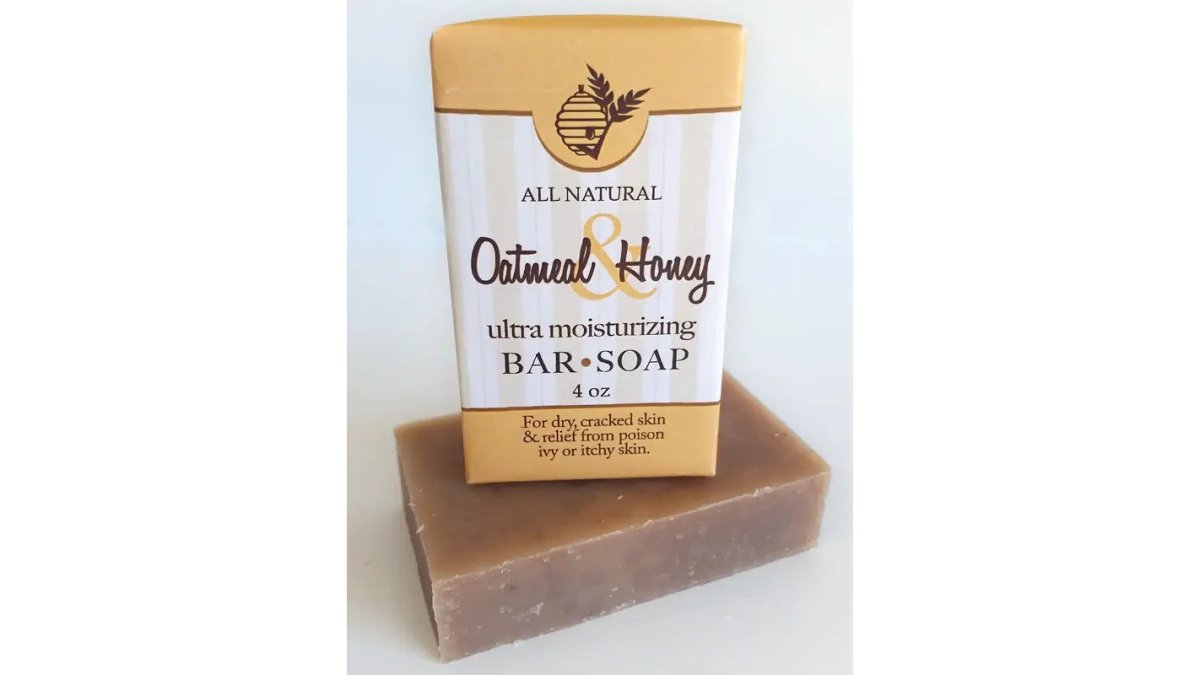
Together, colloidal oatmeal and honey tackle psoriasis's two biggest challenges: the itch and the dryness that follows scratching. The Oatmeal & Honey Bar Soap pairs these ingredients with nourishing natural oils for a rich lather that cleanses without stripping. You can explore our oatmeal and honey soap to see how this formulation works for your skin.

Tea Tree Oil and Natural Antiseptics
Tea tree oil addresses bacterial overgrowth, a common secondary problem when cracked, scaling psoriatic skin lets bacteria colonize. Its antimicrobial properties help prevent this without the irritation of chemical antibiotics.
Honey paired with tea tree oil is synergistic: tea tree fights bacteria while honey supports repair and adds moisture. The Bee-Utiful Bar Soap combines both for this purpose, and you can discover our tea tree and honey formula to add it to your routine.

Castile Soap and Mild Formulations
Castile soap, made from saponified vegetable oils without animal fats, is one of the gentlest cleansing bases available, producing a creamy lather without stripping natural oils. Many commercial "gentle" soaps still contain sulfates that disrupt skin pH; true Castile formulations avoid this entirely.
Castile soap cleanses effectively without vigorous scrubbing, which matters, because aggressive washing triggers psoriatic inflammation. A gentle soap lets you cleanse thoroughly while protecting your skin barrier.
Pine Tar Soap for Psoriasis: Evidence and Realistic Expectations
Tar-based cleansers are the most misunderstood products in this category. They are not a cure and not interchangeable with prescription therapy, but they can support a broader regimen by softening scale and reducing itch for some people. Getting expectations right separates a helpful addition from a disappointing detour.
What "tar" actually means on a label
Three different materials show up in soaps, and they are not the same:
- Coal tar is the substance with the longest track record in dermatology. It appears in over-the-counter psoriasis products and in prescription-strength formulations, and it is regulated as an active ingredient in drug products rather than as a cosmetic scent or color.
- Pine tar is a wood-derived material used in traditional soaps. It is valued for its scent and its traditional skin use, but it is not the same ingredient as coal tar and should not be assumed to behave identically.
- Birch tar (sometimes sold as birch oil or birch tar) is another traditional wood-derived material. Like pine tar, it has folk-use history rather than the kind of clinical study base that coal tar has.
A label that says "tar" without naming the source deserves a second read: the source, concentration, and whether the product is regulated as a drug or cosmetic all change what you can reasonably expect.
What the evidence supports, and what it does not
Coal tar is an established psoriasis option, widely described by dermatology organizations as slowing rapid cell turnover and reducing scaling, itching, and inflammation.
What the evidence does not support is tar soap replacing a prescribed topical. Over-the-counter tar soaps contain lower concentrations, contact time in the shower is short, and the soap is rinsed away.
For pine tar and birch tar, traditional use and user reports outnumber controlled clinical evidence.
How to use a tar soap without making things worse
- Start slow. Use it two or three times a week rather than daily, and alternate with a plain fragrance-free bar. Tar can be drying, and dry skin cracks and itches more.
- Let it sit briefly, then rinse. A short contact time of a minute or so is a common approach; longer contact increases irritation risk without a clear added benefit.
- Skip broken skin. Do not apply tar soap to cracked, bleeding, or openly irritated areas. It stings, and it is not the right product for those spots.
When to ask a clinician before using tar
Tar is not the right choice for everyone, and a few situations call for a dermatologist's input rather than a self-directed trial:
- You are using a prescription topical, especially one that is also drying or irritating. Combining products can compound irritation, and a clinician can tell you how to sequence them.
- You have widespread or thick plaques, or psoriasis in skin folds. Fold areas are thin, moist, and prone to irritation, and tar is a poor fit there.
- You have open sores, signs of infection (increased warmth, pus, spreading redness), or rapidly worsening symptoms.
Tar versus the alternatives
If your main problem is itch, colloidal oatmeal is the gentler first stop. If your main problem is thick scale, a tar cleanser may help soften it, but a clinician-guided keratolytic approach will do more. If your skin is simply reactive and intolerant, a plain fragrance-free bar with no active ingredients is the safest baseline.
Soap Ingredients to Avoid for Psoriasis-Prone Skin
What you exclude matters as much as what you include.
Synthetic fragrances are the most common culprit, irritating psoriatic skin and triggering inflammation within hours.
Dyes and colorants are another major irritant.
Sodium lauryl sulfate and similar sulfates create lather by stripping natural oils, damaging your barrier and triggering inflammation.
Unscented Sensitive Skin Handmade Bar Soap | Oh Naturale' Natural Cold Process →
Parabens, phthalates, and synthetic preservatives add chemical stress to an already-inflamed system.
Gentle Body Wash for Psoriasis: Choosing Fragrance-Free and Dye-Free Options
While bar soap is often preferred for psoriasis, some find liquid body washes more convenient. If you choose one, the same principles apply: fragrance-free, dye-free, and free from harsh sulfates.
Body washes require preservatives to prevent bacterial growth in liquid form, so ingredient quality is critical.
Fragrance-free body washes are less common than fragrance-free soaps but do exist.
For extremely sensitive skin or severe psoriasis, the Unscented Sensitive Skin Bar Soap offers an alternative. You can find our unscented sensitive skin option if liquid products consistently irritate your skin.

Building Your Psoriasis Skin Care Routine: Cleansing and Moisturizing
Most guides treat psoriasis skin as one thing. It isn't. A thick plaque on an elbow, an itchy scalp patch, and a raw skin fold need different handling, and the same soap that suits one can aggravate another. Here's a routine built around what your skin is actually doing.
Step 1: Patch test before you commit
Natural doesn't mean non-irritating. Essential oils, botanical extracts, and even some "gentle" preservatives are recognized contact allergens, and psoriasis-prone skin is often more reactive than average. Before using a new bar on your body:
- Apply a small amount to the inner forearm, lather, and rinse.
- Wait 24 to 48 hours and check for redness, stinging, or new itch.
- If there is no reaction, try it on a small psoriasis patch before using it all over.
Stop at the first sign of irritation. A reaction is information, not a failure.
Step 2: Match the cleanser to the symptom and the body area
| What you are dealing with | Better fit | Why |
|---|---|---|
| Thick scale on elbows, knees, or trunk | Tar cleanser a few times a week, alternated with a plain bar | Tar can soften scale; alternating limits dryness |
| Itch as the main complaint | Colloidal oatmeal bar | Oatmeal is traditionally used for itch and irritation |
| Very reactive, easily stung skin | Fragrance-free, dye-free, plain bar with a short ingredient list | Fewer ingredients means fewer chances to react |
| Skin folds (underarms, groin, under breasts) | Plain fragrance-free wash, used sparingly, rinsed well | Fold skin is thin and moist; actives and heavy products trap irritation |
| Scalp | A dedicated scalp product rather than body bar | Bar soap leaves residue in hair and is hard to rinse clean |
| Cracked or bleeding areas | Pause actives; use plain cleanser and see a clinician | Broken skin stings and is vulnerable to infection |
A common mistake is buying one "psoriasis soap" and using it everywhere. A gentler approach is one plain baseline bar plus one targeted product used only where it helps.
Step 3: Bathe in a way that protects the barrier
- Water temperature: lukewarm, not hot. Hot water strips oils and increases itch.
- Duration: keep showers to about 5 to 10 minutes. Long soaks, even in lukewarm water, dry skin out.
- Cleansing: lather with hands or a soft cloth. Skip loofahs, brushes, and scrubbing mitts, which abrade plaques and can spread irritation.
Step 4: Moisturize like it is treatment, not an afterthought
Moisturizing isn't cosmetic for psoriasis-prone skin: it reduces dryness and cracking, and improves comfort. Explore a fragrance-free moisturizer to complete your cleansing and moisturizing routine. Choose a fragrance-free moisturizer, apply generously to damp skin, and reapply during the day to tight or itchy areas.
For stubborn scale, some apply moisturizer and cover the area overnight with a cotton glove, sock, or plastic wrap, called occlusion.
Step 5: Judge products on criteria, not claims
When you compare two bars, compare the same five things every time:
- Ingredient list length and order. Shorter lists with recognizable oils are easier to assess. Ingredients are listed by weight, so anything near the end is present in small amounts.
- Fragrance status. "Fragrance-free" is the claim you want. "Unscented" can still contain masking fragrance.
- Cleanser type. True castile-style bars and cold-process bars retain glycerin; many commercial bars remove it. Sulfate-free matters if your skin stings easily.
- pH. Skin-friendly bars are closer to mildly acidic; highly alkaline bars can leave skin tight and dry.
- Cost per use. A larger bar that lasts longer can cost less per shower than a small specialty bar. Divide the price by the number of uses you realistically get.
Step 6: Know when to bring in a clinician
A cleanser and moisturizer routine is supportive care, it doesn't replace treatment for moderate to severe psoriasis and shouldn't delay it. See a dermatologist if plaques are thick or widespread, joints ache or swell, psoriasis appears in sensitive areas, or a product causes burning, spreading redness, or infection signs. A clinician can also flag conflicts between tar or exfoliating products and your prescription.
Step 7: Give it time, then reassess
Skin needs a few weeks to settle after removing irritants, so evaluate a new routine after two to three weeks, not two days. If it's improving, keep it simple and add nothing. If nothing changed, adjust one variable at a time so you can tell what made the difference.
Start Your Natural Skin Care Journey Today
Managing psoriasis-prone skin takes patience and the right tools.
We've spent 250 years perfecting natural soapmaking, and simplicity works: no fragrance chemicals, no dyes, no unnecessary preservatives, just pure oils, water, and ingredients that genuinely soothe inflamed skin.
Start with a fragrance-free, dye-free soap like our Unscented Sensitive Skin Bar Soap, or the Oatmeal & Honey formula if you need gentle exfoliation, and pair it with consistent moisturizing and lukewarm cleansing.
Frequently Asked Questions
What are the best soaps to use for psoriasis?
The best soap for psoriasis is unscented, dye-free, and made with gentle, natural ingredients like colloidal oatmeal, honey, or tea tree oil. Cold-process soaps preserve hydrating glycerin and avoid harsh detergents. Look for fragrance-free formulations without sodium lauryl sulfate. Products designed for sensitive skin, such as those made by traditional soapmakers, often work well because they prioritize skin barrier protection over lather or fragrance.
Can natural soap help soothe psoriasis-prone skin?
Natural soap can help with symptoms like itching, dryness, and irritation when formulated correctly. Ingredients like colloidal oatmeal gently exfoliate, while honey draws in moisture. However, natural soap is not a cure for psoriasis. It works best as part of a routine that includes proper moisturizing and, when needed, medical treatment. Always consult a dermatologist if symptoms worsen or don't improve with care.
What ingredients should you avoid in soap if you have psoriasis?
Avoid soaps containing synthetic fragrances, artificial dyes, sodium lauryl sulfate, parabens, and alcohol, as these strip the skin barrier and trigger flare-ups. Skip heavily scented or colored bars, even if labeled 'natural.' Avoid exfoliating scrubs or soaps with harsh pumice unless recommended by your dermatologist. Stick to soap-free cleansers or mild formulations designed for sensitive skin to prevent irritation and scaling.
Is oatmeal soap suitable for psoriasis-prone skin?
Yes, oatmeal soap is well-suited for psoriasis-prone skin. Colloidal oatmeal gently cleanses and exfoliates without harshness, helping to soften and lift dry, flaky patches. When combined with honey and natural oils, oatmeal soap helps maintain skin hydration. The combination has been trusted for generations to help with irritated skin during both summer irritation and winter dryness.
How often should you wash skin affected by psoriasis?
Wash affected areas once daily or every other day with lukewarm water, not hot water, which can strip skin and trigger flare-ups. Use a gentle, natural soap and avoid over-washing. After cleansing, pat skin dry gently and apply moisturizer within 3 minutes to lock in hydration. If your skin feels tight or irritated, reduce washing frequency. A dermatologist can recommend a routine tailored to your specific flare patterns.
Why does cold-process soap matter for psoriasis-prone skin?
Cold-process soapmaking preserves the natural glycerin produced during saponification, which hydrates and soothes sensitive skin. Commercial soaps often remove this glycerin to sell separately, leaving skin dry. Cold-process methods also avoid high heat that can degrade beneficial ingredients. For psoriasis-prone skin, this means a gentler, more moisturizing bar that supports your skin barrier rather than stripping it.
When should you ask a dermatologist about psoriasis symptoms?
See a dermatologist if you have persistent red, scaly patches; severe itching or pain; signs of infection; or if symptoms worsen despite gentle soap and moisturizing. Also consult if you're unsure whether your skin condition is psoriasis, eczema, or another condition, as treatment varies. If over-the-counter natural soaps don't improve symptoms within 2-3 weeks, professional guidance can help rule out other causes and recommend targeted treatment.
Psoriasis management starts with what touches your skin every day. We invite you to experience how handcrafted natural soap, made with simple pronounceable ingredients and cold-process care, can transform your skin health. Shop our collection of fragrance-free and ingredient-conscious soaps designed specifically for sensitive and psoriasis-prone skin, and join thousands of customers who've discovered that authentic craftsmanship makes a real difference.


