


Last Updated: October 23, 2026
Quick Summary
The fastest natural remedy for leg cramps is to stretch the muscle while applying steady pressure, then follow with warmth and fluids. Straighten your knee and flex your foot toward your shin, holding 15 to 30 seconds, and most cramps ease within one to two minutes.
- Stop and unload the leg first, since standing and pushing through a cramp usually makes it last longer.
- Loop a towel around the ball of your foot if you cannot reach to stretch.
- Massage from the ankle upward toward the heart for two to three minutes once the lock passes.
- Use heat for tight, tense muscles and cold for soreness that lingers after the cramp.
- A warm shower before bed is one of the simplest ways to head off nighttime leg cramps.
Table of Contents
- How to Stop a Leg Cramp Fast
- Step-by-Step: What to Do in the First Two Minutes
- Leg Cramp Stretches That Release the Muscle
- Massage for Leg Cramps: Pressure, Direction, and Timing
- Nighttime Leg Cramps Relief for Better Sleep
- Hydration, Electrolytes, and Foods That Help
- When to See a Doctor for Leg Cramps
- Preventing Cramps: Timing, Footwear, and Daily Habits
- Frequently Asked Questions
How to Stop a Leg Cramp Fast
A natural remedy for leg cramps works best when you act in the first few seconds, not after the pain peaks. At Amish Country Soap Co, we know that quick action matters more than any single product.
Leg cramps are sudden, involuntary contractions of a muscle, most often in the calf, that lock the muscle tight and cause sharp pain (Muscle cramps: MedlinePlus Medical Encyclopedia).
Step-by-Step: What to Do in the First Two Minutes
The first two minutes decide how quickly the pain fades. Move fast, stay calm, and work through a sequence rather than grabbing at random tips. Here is the order that most practitioners recommend for an active cramp in the calf or foot.
- Stop and unload the leg. Sit or lie down and take your weight off the muscle. Standing and pushing through a cramp usually makes the contraction last longer.
- Straighten the knee. A bent knee keeps the calf shortened. Extend the leg so the muscle has room to lengthen.
- Flex the foot toward your shin. This is the single most effective move for a calf cramp. Pull the toes toward you until you feel a firm but tolerable stretch, not a sharp tear.
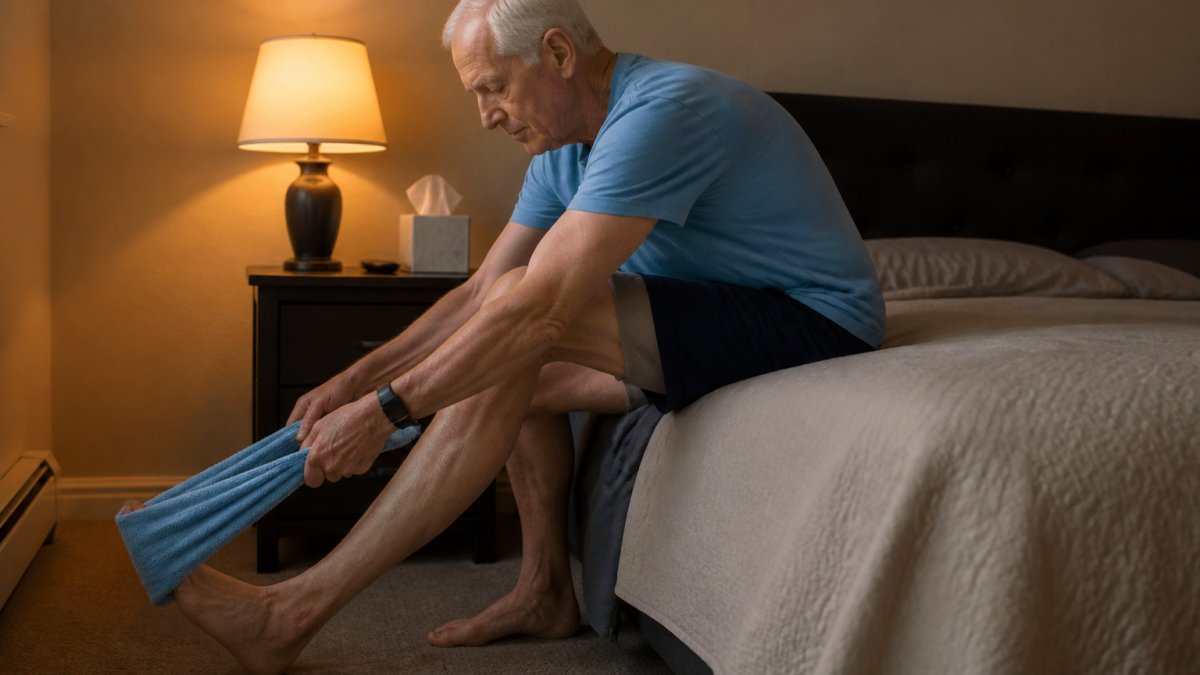
- Use a towel if you cannot reach. Loop a towel or belt around the ball of your foot and pull gently with both hands. This keeps your back and hamstring out of the effort.
- Hold 15 to 30 seconds and breathe slowly. Long, steady exhales help the muscle let go. Do not bounce or jerk the foot.
- Release, then repeat once or twice. Most cramps ease within one to two minutes of steady stretching. If the first hold only partly releases it, repeat rather than pulling harder.
- Massage the muscle from the ankle upward. Use firm but gentle pressure toward the heart for two to three minutes once the worst of the lock has passed.
- Add warmth for lingering tightness. A warm towel or warm shower relaxes the calf after the acute contraction ends.
If the Cramp Does Not Release
A cramp that will not let go after several gentle rounds deserves a change of approach, not more force. Try these steps in order:
- Switch positions. Stand and put the ball of the foot on a low step, then gently press the heel down. The change in angle sometimes releases a stubborn calf.
- Try the opposite muscle. Gently tighten the front of the shin (the muscle that pulls the toes up) for a few seconds, then relax. Alternating contraction and release can break the cycle.
- Apply cold if the muscle is sore rather than tight. An ice pack wrapped in cloth for 10 to 15 minutes calms a muscle that is aching after the cramp passes.
Heat and Cold: Which to Use and When
Use heat for tight, tense muscles and cold for soreness that lingers after the cramp passes. A warm towel or warm shower relaxes the muscle and boosts blood flow. Cold therapy, such as an ice pack wrapped in cloth, calms lingering soreness and swelling. Never put ice directly on bare skin, and keep cold applications to about 10 to 15 minutes at a time.
Leg Cramp Stretches That Release the Muscle
Stretching is the most reliable natural remedy for leg cramps, and it works on the spot. Proper stretching lengthens the muscle fibers and helps them relax instead of staying locked. Hold each stretch for 15 to 30 seconds and breathe.
Calf, Hamstring, and Foot Stretches
- Calf stretch: Stand facing a wall, step one foot back, and press the back heel into the floor.
- Hamstring stretch: Sit with one leg straight and reach slowly toward your toes.
- Foot stretch: Point and flex your foot several times, then roll your ankle in circles.
A common mistake is stretching too hard and too fast. Ease into it. The goal is muscle relaxation, not a deep burn.
Massage for Leg Cramps: Pressure, Direction, and Timing
Massage for leg cramps works by easing muscle tightness and improving circulation. Use firm but gentle pressure, and work in one direction: from the ankle up toward the heart. Start light, then increase pressure as the muscle softens.
A warm botanical salve or lotion makes the massage smoother and adds a soothing ritual. Our 3 Magi Premier Salve blends frankincense, myrrh, and cinnamon bark in a rich base, and it is made for targeted massage. For lighter everyday use, our 3 Magi Premier Lotion absorbs easily and carries the same warm aroma.


Nighttime Leg Cramps Relief for Better Sleep
Nighttime leg cramps relief starts before you get into bed. Many people find that a short routine in the evening reduces how often cramps wake them. Try these steps:
- Stretch your calves and feet for two minutes before lying down.
- Take a warm shower or apply a warm towel to the calves.
- Keep the sheets loose around your feet.
A bedside jar of moisturizer makes the last step easy. Our Magnesium Crème is a rich body moisturizer made with magnesium chloride, shea butter, and coconut oil, with lavender and chamomile for a soft botanical aroma. One customer told us it "helped with restless leg syndrome," and another said it "helped the pain in my legs." Massage a small amount into the calves before bed.

Hydration, Electrolytes, and Foods That Help
Hydration and electrolyte balance play a real role in muscle function. When you sweat, you lose fluid and minerals, and that shift can trigger cramping. Drink water through the day, and add electrolytes when you exercise in heat or sweat heavily.
Magnesium Crème | Lavender & Chamomile Body Moisturizer – 4 oz →
Foods associated with potassium and other nutrients include:
- Bananas and oranges
- Greek yogurt
- Sweet potatoes
Potassium, Magnesium, and What the Evidence Actually Shows
The evidence for individual nutrients is mixed, and we would rather be honest than oversell. Potassium and magnesium are involved in muscle function, and some people find that a banana or a magnesium-rich meal helps. But food-based fixes take time and do not stop a cramp in progress. Treat them as prevention, not rescue. Talk to your doctor before starting any supplement, especially if you take medication or have kidney problems.
When to See a Doctor for Leg Cramps
Most leg cramps are harmless and respond to stretching, massage, and hydration. The skill is knowing which patterns are routine and which deserve a professional look. Use the two lists below to sort a cramp into the right category.
Warning Signs That Warrant Prompt Evaluation
Seek medical care promptly, or call emergency services if symptoms are severe or worsening, when a cramp comes with any of the following:
- Swelling, redness, or warmth in one leg, especially if it is tender to the touch or the calf feels tight and painful even at rest. This pattern can signal a blood clot and should not be massaged.
- Sudden shortness of breath or chest pain alongside leg symptoms (Venous Thromboembolism - What Is Venous Thromboembolism?).
- Weakness, numbness, or loss of function in the leg or foot that does not return to normal after the cramp passes.
Routine Cramps That Usually Do Not Need a Visit
A cramp that eases within a minute or two of stretching, leaves no swelling or weakness behind, and happens only occasionally after heavy activity or a night of poor hydration is generally a routine nuisance. Improve your prevention routine first, and note whether the pattern changes.
Medication and Health-Condition Contributors
Recurring cramps can sometimes trace back to a medicine or an underlying condition rather than to a passing mineral imbalance. Common categories that practitioners consider include diuretics and other blood-pressure medicines, statins, and some asthma and hormone therapies, along with conditions that affect circulation, nerve function, thyroid activity, or fluid balance.
What to Bring to the Visit
A short log makes the appointment far more useful. Note when the cramps happen (night versus after activity), how long they last, which muscles are involved, what you tried, and any new medicines or health changes in the preceding weeks. The MedlinePlus guide to muscle cramps explains common causes and warning signs in plain language and is a reasonable starting point before your visit.
Preventing Cramps: Timing, Footwear, and Daily Habits
Prevention comes down to timing, footwear, and small daily habits. Stretch before and after activity, not just when a cramp hits. Warm up slowly, and cool down with gentle stretching.
| Trigger | Fix | When to Apply |
|---|---|---|
| Night cramps | Calf and foot stretches | Before bed |
| Post-exercise cramps | Warm-up, cool-down, electrolytes | Around activity |
| Tight calves from standing | Arch support, cushioning | All day |
| Dehydration | Steady fluid intake | Throughout the day |
| Lingering soreness | Cold therapy, gentle massage | After activity |
A foot stretch and a full-body stretch before bed take two minutes. That small habit is the one most people skip, and it is the one that helps most.
Leg cramps interrupt sleep, ruin a workout, and leave your muscles sore for hours. Explore our Magnesium Crème and 3 Magi collection to build a gentle massage ritual into your night, and shop by skin need to find the right fit for your family.
Frequently Asked Questions
What causes severe leg cramps at night?
Nighttime leg cramps often stem from muscle fatigue, dehydration, or sitting and standing patterns that leave the calf shortened. Some medications, including diuretics and statins, are linked to cramping, and health conditions such as thyroid problems or arthritis can play a role. Because causes vary, note when cramps happen and what you did that day. If they occur most nights or wake you repeatedly, that pattern is worth discussing with a doctor rather than treating with home remedies alone.
Does massage help with leg cramps?
Massage for leg cramps can ease the tightness that lingers after a cramp releases. Work from the ankle upward with slow, firm strokes, then apply gentle pressure to the tightest part of the muscle for 15 to 30 seconds. A warm towel over the area before you start can help the muscle relax. Massage is most useful for recovery and prevention between cramps; during an active cramp, stretching the muscle usually brings faster relief.
Can dehydration contribute to leg cramps?
Yes. Fluid intake and electrolyte balance affect how well muscles contract and relax, and cramping is more common when you are dehydrated or have lost sodium through heavy sweating. Water alone may not be enough after long activity in heat. Pair fluids with foods that supply potassium and magnesium, such as bananas, sweet potatoes, beans, yogurt, and leafy greens. If you take diuretics or have kidney or heart conditions, ask your doctor before changing how much you drink.
When should I see a doctor about leg cramps?
See a doctor if cramps last more than a few minutes, happen frequently, or come with swelling, redness, warmth, or weakness in the leg. Cramps that interfere with sleep most nights, follow a new medication, or appear alongside numbness deserve evaluation. Persistent cramps can point to circulation problems, nerve issues, or a mineral imbalance. Bring a log of when cramps occur, what you were doing, and any medications you take so your doctor has a clear picture.


